
What is the Matter protocol - and Why it’s changing the future of smart homes
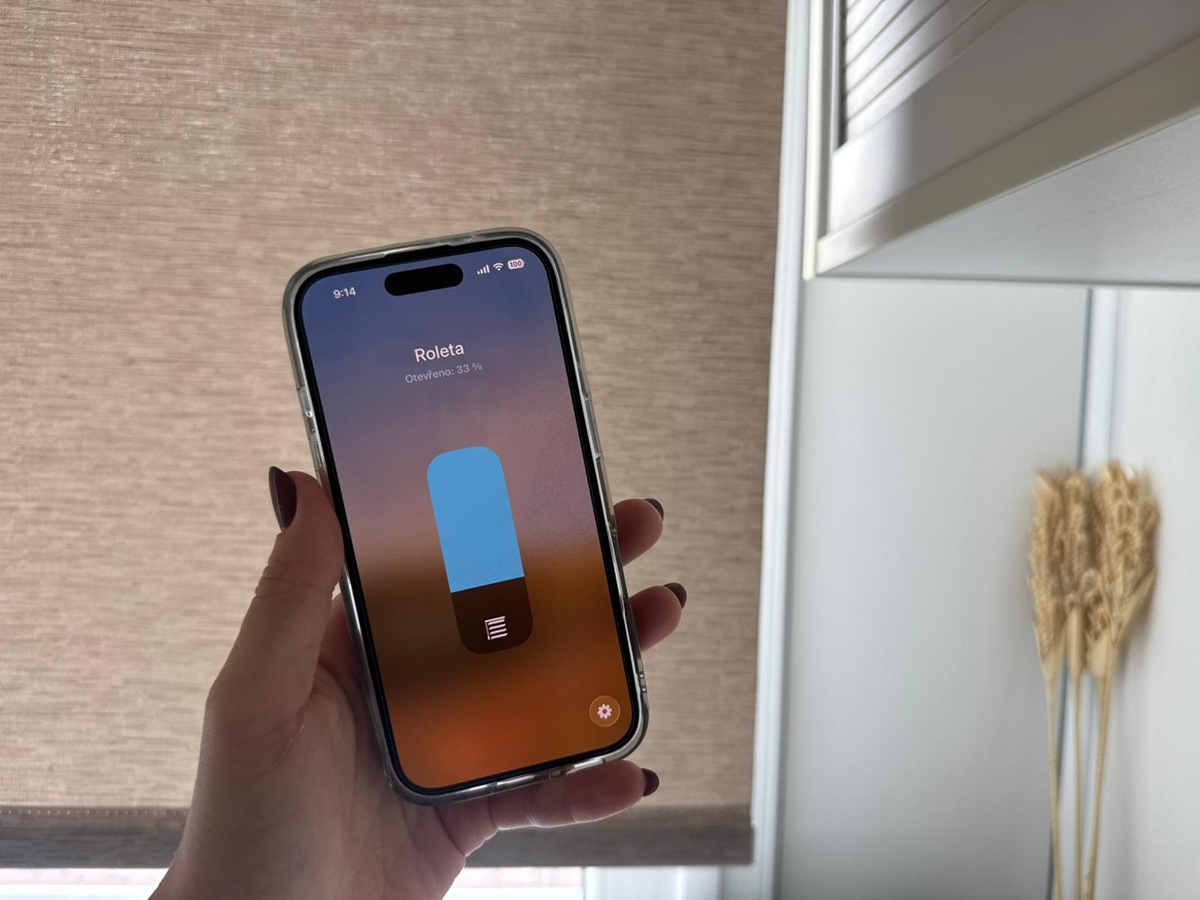
A smart home was supposed to be a revolution - controlling lights, blinds, and heating from a phone, comfort without effort. Instead, for many people, it became a source of frustration. One app for lights, another for the thermostat, a third for blinds. The problem was never the technology itself, but the language, or rather too many languages. Every manufacturer used their own system, and devices simply did not understand each other.
This is precisely why the Matter protocol was created - a common language for smart devices across brands. An open standard that connects them into a single functional ecosystem without complex compatibility and future worries.
What is Matter, then, and why should you care even if you're not a tech enthusiast?
Matter: A common language for smart devices
What is the Matter protocol
Matter is an open communication standard for smart homes. This means it allows devices from different manufacturers - such as blinds, lights, thermostats, or outlets - to communicate with each other regardless of the brand.
Unlike older closed systems, Matter is not tied to a single manufacturer. It is supported by tech companies like Apple, Google, Amazon, or Samsung.
And that is remarkable - these companies usually compete fiercely with each other. With Matter, however, they realized one fundamental thing: a fragmented market harms everyone - manufacturers and customers. That's why they decided to create an open standard that works for everyone.
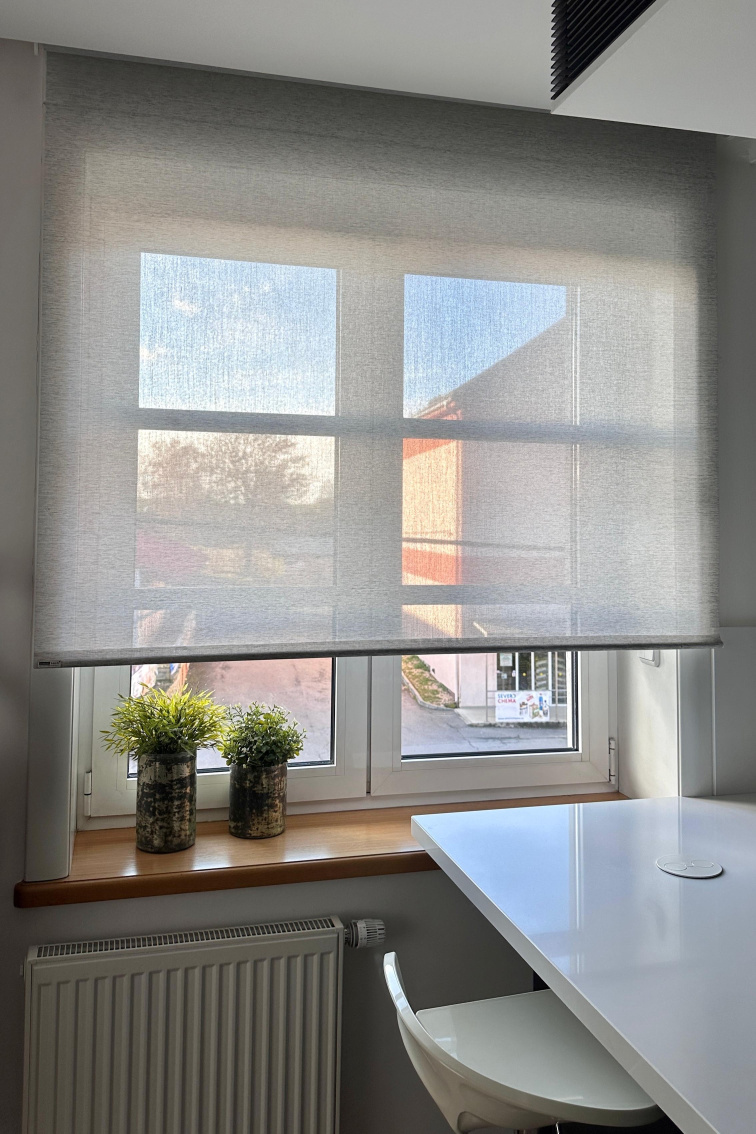
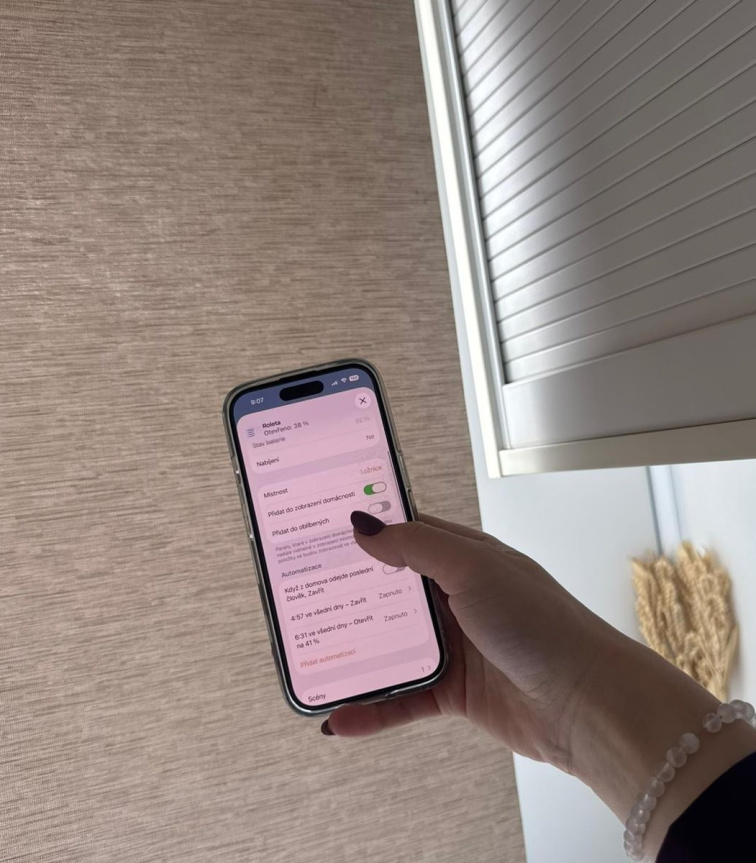
Simple analogy: Matter as USB-C
Remember when every phone had a different charging cable? iPhone had lightning, Android had micro-USB… Then came USB-C. One cable for everything. One standard that everyone adopted.
Matter does the same for smart homes. It unites different brands into one ecosystem where everything works together - regardless of the manufacturer.
Problem that Matter solves: Chaos in smart homes
The smart home is developing rapidly, and devices you buy today should work even in a few years. Matter was created precisely to eliminate the biggest weakness of smart homes - fragmentation.
No more complex compatibility verification
If a device carries the Matter logo, it is designed to work with other Matter devices. You don't need to cross-reference whether it'll work with Google Home, Apple Home, or Amazon Alexa. It simply works.
One app instead of several
No more switching between apps. Matter allows you to control different devices from one environment. With one touch, you can run a scenario that raises the blinds, turns on the coffee maker, and sets the thermostat. Everything from one place.
Ready for the future
Because it is an open standard supported by major tech firms, Matter is a long-term foundation for smart homes - not a short-term trend. Your investment in Matter-enabled devices makes sense even five years from now.
Freedom of choice
You are not dependent on one brand. You can choose the best thermostat from Google, the best bulbs from Philips, and smart blinds from ACCUBLIND - and everything will work together. You don’t have to sacrifice quality for compatibility.
How Matter works in practice

Matter communicates through a common home network - using Wi-Fi, Ethernet, or modern Thread technology. It's not a standalone app but a common protocol that allows devices to "talk" to each other.
For proper functioning, you need a border router - a device that connects Matter devices with each other and the internet. However, you don't need to purchase anything special - a border router can be, for example, a Google Nest Hub, Amazon Echo, Apple HomePod, or Apple TV, which you might already have at home.
Setup is simple:
- Open the smart home app (Google Home, Apple Home, Amazon Alexa)
- Add a new device
- Scan the QR code on the device
- Follow the instructions in the app
After initial setup, devices work as part of one system. You can control them from the app, connect them into scenarios, or control them by voice.
Additionally, most communication takes place directly on the local network - so devices work even without an internet connection and are not dependent on manufacturer servers.
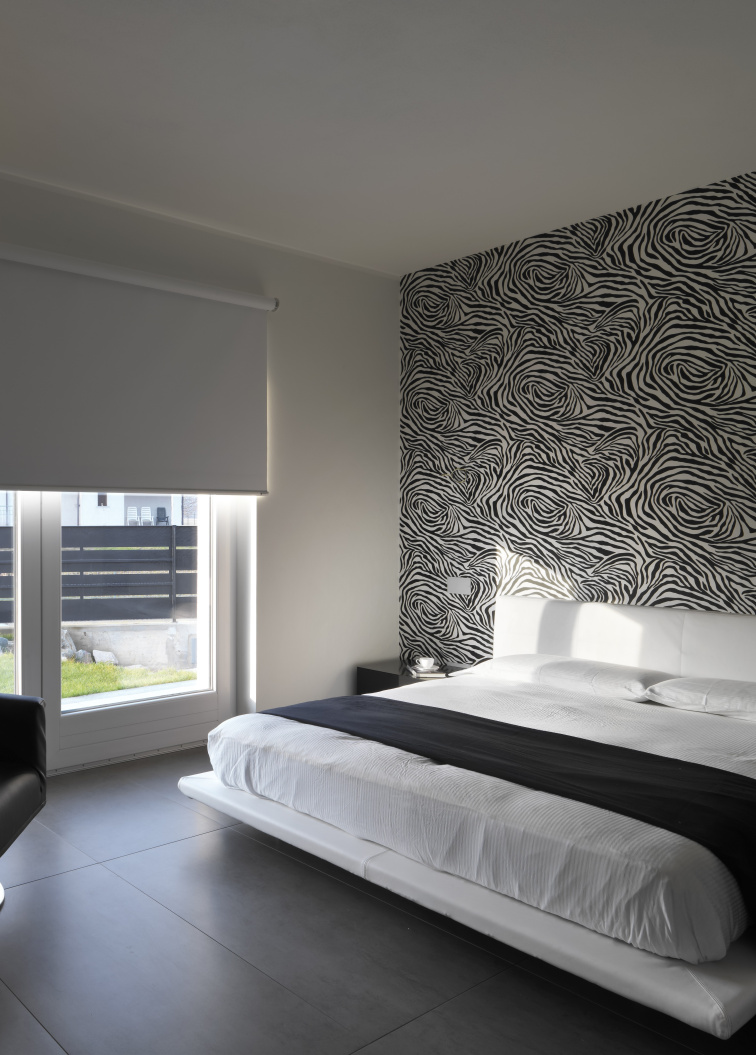

What Matter brings to smart shading and blinds
With smart blinds, Matter makes particular sense. Shades are a device you use every day - morning, evening, while working or resting. The better they work, the more you enjoy the comfort of a smart home.
With Matter support, you can:
- Control blinds from anywhere - via a mobile app, even when you're not at home
- Connect them with voice assistants - "Good morning" and the blinds open automatically
- Set automations - blinds close every evening at a time you set or when you turn on the evening lighting
- Combine them with other devices - a morning scenario raises the blinds, turns on the lights, and starts the coffee maker at once
ACCUBLIND motors with Matter support also combine smart control with a classic remote control. This means blinds work when the internet is out, or when you don't want to deal with apps - just press a button, and it's done. The best of both worlds.
Who is Matter for?
The one who wants a smart home without technological chaos
Matter simplifies the connection of devices from different brands into one functional system. No searching for which brand works with what.
The one who does not want to be dependent on one brand
With Matter, you choose products based on quality and price, not on whether they fit into your ecosystem.
The one who plans to expand their system in the future
When you start with Matter, every new device with this standard is easy to add. No surprises, no incompatibility.
The one looking for a long-term solution, not a short-term trend
Matter is supported by all the major tech companies. It's not a gamble on one manufacturer but an investment in a standard that will still be around in five years.
Conclusion: Matter is not just a novelty. It's a new foundation.
The Matter protocol is not another app or brand. It’s a common language that allows smart devices to work together across manufacturers and platforms. If you're considering smart blinds or building a modern home, it's worth checking if your devices support Matter. It's not just about comfort today but about long-term compatibility, stability, and the ability to expand the system without restrictions in the future. A smart home should be simple. And that is what Matter strives for - to be a solid foundation on which you can build even in years to come.
Interested in smart blinds with Matter support?
👉 Check out our smart blinds with the Matter protocol – ready for the future of your smart home.
Want to know more about technical details?
👉 Read the complete information about the Matter protocol – including settings and technical parameters.
FAQ
What is the Matter protocol?
Matter is an open communication standard for smart homes. It allows devices from different brands - for example, blinds, lights, or thermostats - to work together as one system regardless of the manufacturer.
Do I need to buy special devices for Matter?
Yes, devices must support the Matter standard - you can recognize them by the Matter logo on the packaging. But you don't need any special hub on top - just have compatible devices at home like Google Nest, Amazon Echo, Apple HomePod, or Apple TV.
Does Matter work without the internet?
Basic control of some Matter devices (like our blinds with remote control) works even without the internet. For full smart features - automation, control from mobile outside the home, integration with voice assistants - an internet connection is required.
Is Matter secure?
Yes. The Matter protocol uses modern encryption and is designed with a focus on security and data protection. With support from major tech companies, it is regularly updated and developed.
How do I know if a device supports Matter?
Devices compatible with Matter have the Matter logo on the packaging or in the technical specification. This ensures that they can work within the Matter ecosystem with other compatible products.

