Transparent, Translucent, or Blackout roller blinds: What to expect in real life
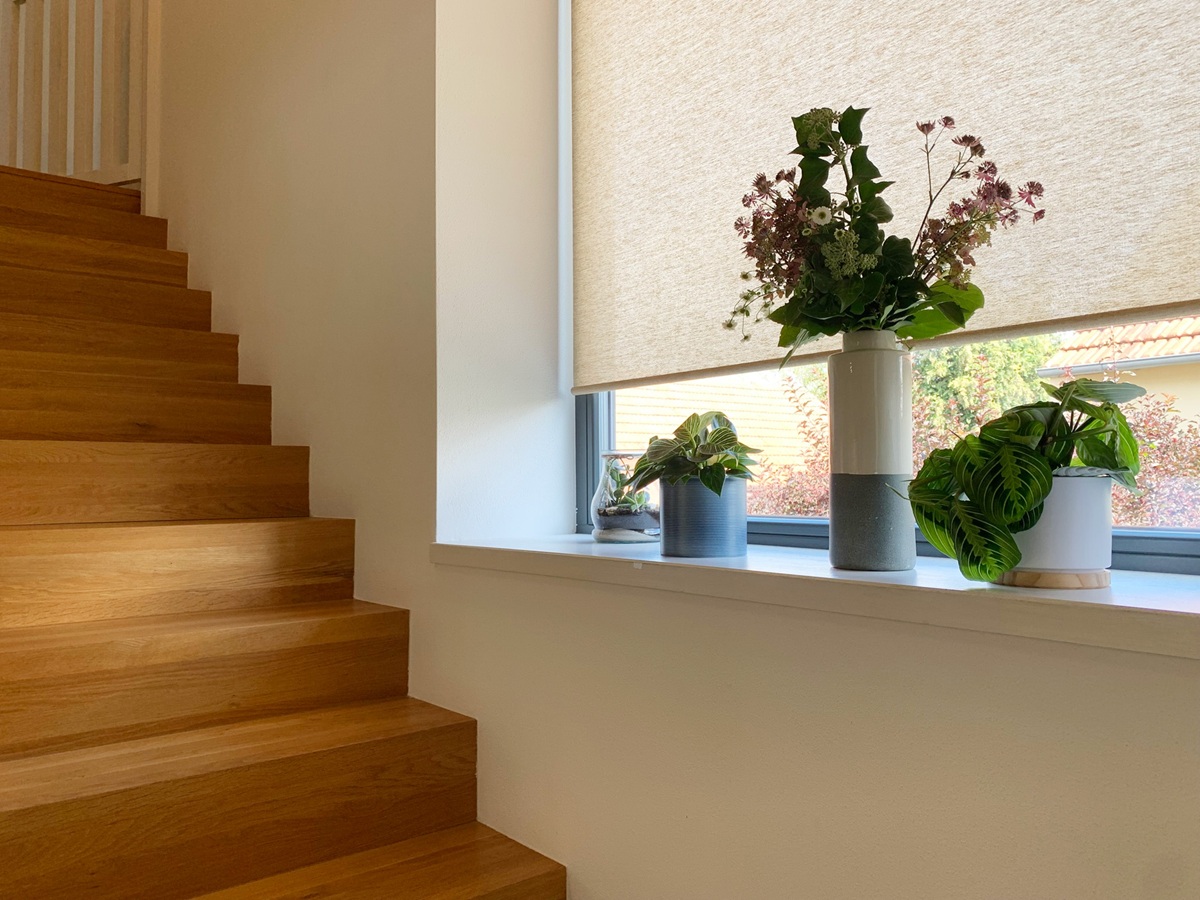
Are you standing in front of a choice of fabric blinds and unsure which fabric is the right one? Transparent looks nice and airy, but what if the neighbors see inside in the evening? Blackout sounds like a sure thing for the bedroom, but won't it be too dark during the day? And what about the translucent - isn't it just a compromise that doesn’t solve anything properly?

In this article, we will look at the different types of fabrics practically - without technical jargon. We will show you what you can realistically expect from them, where they are suitable, and how to decide between them correctly.

Before you start choosing: 3 questions to ask yourself


1. How much natural light do I want in the room during the day?

This is the foundation of everything. Do you work from home and need maximum daylight? Or do you have south-facing windows and can’t stand staying there in the summer? Maybe you work night shifts and need to sleep during the day. Each situation requires a different approach to light permeability.

2. Do I need privacy in the evening with the lights on?

Do you live on the ground floor with a street view? Are your windows close to neighbors? Evening privacy is something people often underestimate - until they find themselves sitting in a lit room feeling like they're on display in a shop window.

3. Is light or the ability to darken more important to me in this room?

In the living room, you usually want light and just occasionally shade. In the bedroom, it might be the opposite - quality sleep requires darkness. In the office, you need stable lighting without reflections. Think carefully about the priorities of each individual room.

Once you have answers to these three questions, choosing the right fabric becomes significantly easier. Let's take a look at each type and what it really offers.

Transparent fabrics: Light first

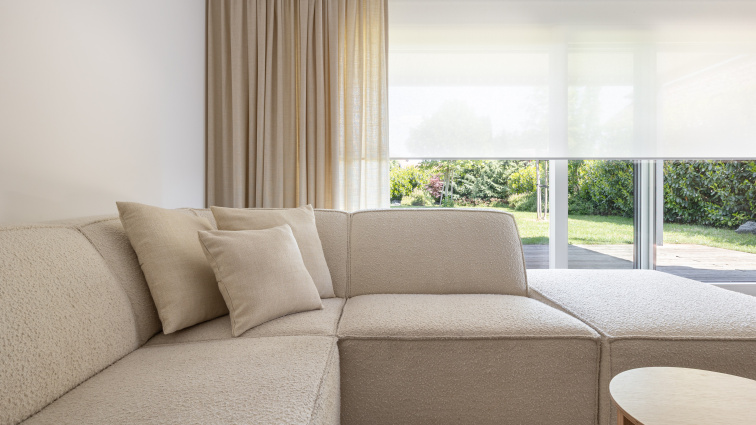
Transparent fabrics are those that let you retain maximum daylight and an outdoor view. You see through them similar to a sheer curtain - and that means others can see inside too.

What you can expect from them:

  • They represent a soft textile screen that softens harsh sunlight
  • They take almost nothing away from the brightness of the room
  • The room remains bright and airy, with natural colors and a preserved view
  • They work as an elegant interior detail and give the window a beautiful frame

What they can't do:

  • They don’t provide privacy in the evening - with the lights on, you’re perfectly visible
  • They don’t prevent views from outside during the day
  • They can’t significantly shade or darken the room
  • They don’t help against overheating in the summer
Transparent fabric blind in the living room

Where transparent fabrics are suitable:

  • Areas with views into the garden or nature where privacy isn’t an issue
  • Rooms used mainly during the day (dining room, home office with windows overlooking greenery)
  • Combining with other blinds or curtains for evening privacy
  • Modern minimalist interiors where you want to maintain a sense of openness

The most common mistake? People think a transparent fabric will provide at least some privacy. During the day, when it’s brighter outside than inside, this partly holds true - there’s a slight haze from outside. But in the evening, when you turn on the light in the room, you’re perfectly visible. It’s the same as having a sheer curtain drawn.

View transparent blinds

Translucent fabrics: The golden mean that works in most households

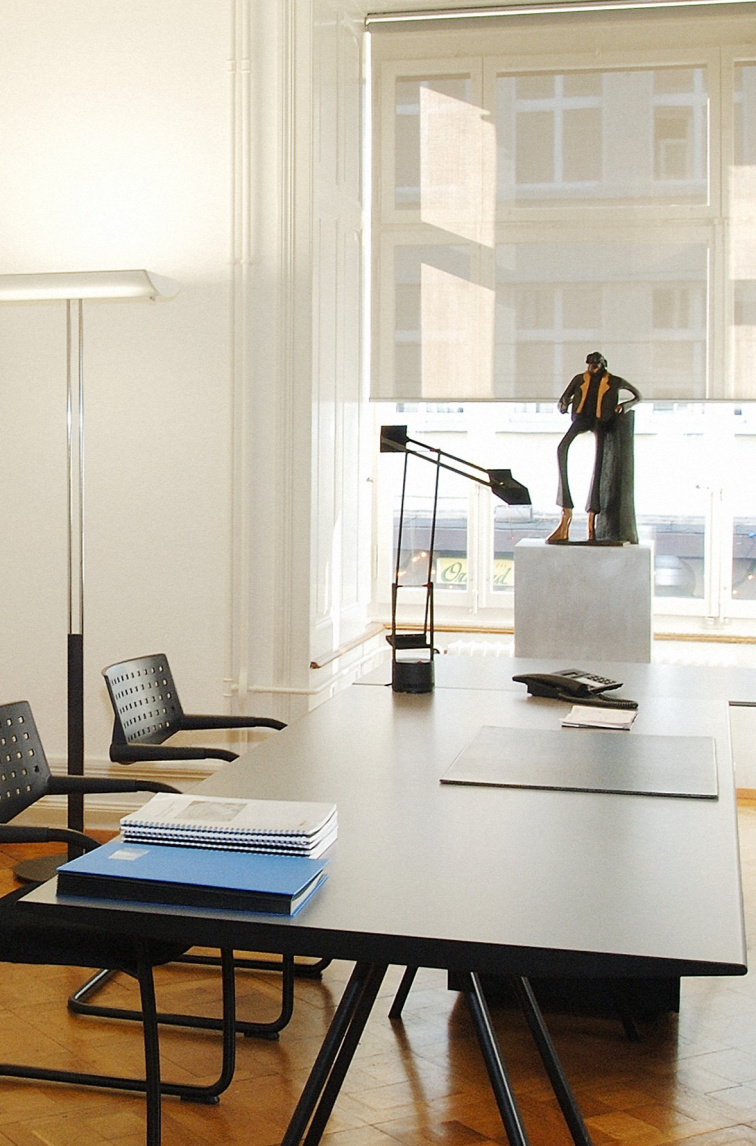
Translucent fabrics are the real king of versatility. They are neither too transparent nor too darkening - and that’s their strength. During the day, they let in enough light, and when you turn on the lights in the evening, they provide basic privacy - only matte silhouettes are visible from outside, no details.


How translucent fabrics work during the day vs. night:

During the day: There’s more light outside than inside, so the fabric works a bit like frosted glass - you can see outside (not sharply, but orientationally), but it’s harder to see inside from outside.

In the evening: As soon as you turn on the light inside, the ratio reverses. Outlines and movements are visible from outside, but not details. It’s not complete privacy like with blackout, but it’s sufficient for most situations.

Differences between various transparency levels:

Not all translucent fabrics are the same. They differ in the percentage of light permeability, and this detail can significantly impact the result.

Fabrics with higher transparency (15-20% permeability) are closer to transparent - they provide a lot of light but less privacy. 

Fabrics with lower transparency (5-10% permeability) are closer to darkening - the room will be darker, but privacy is significantly better.
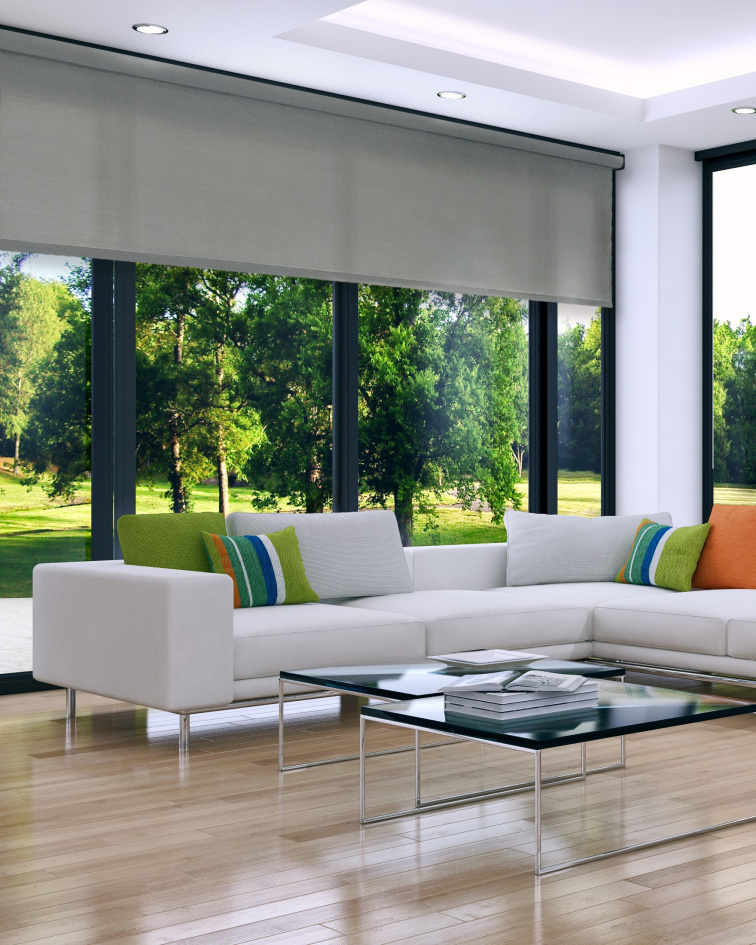
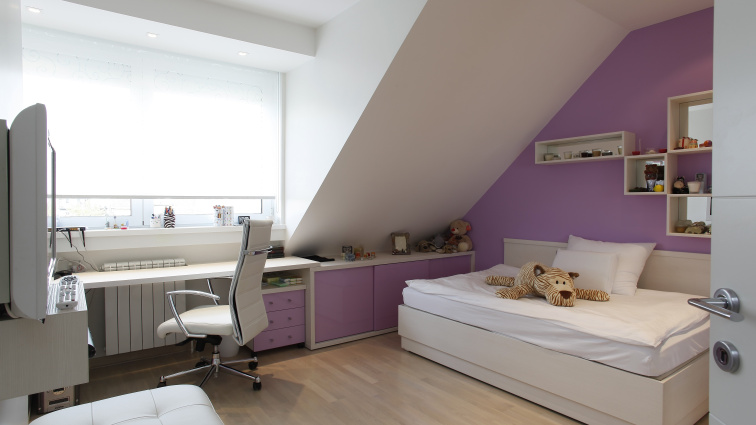
Transparent fabric blind in the living room

Translucent fabrics are ideal for most living spaces - dining room, kitchen, living room, or children's room. They work great wherever you need to balance light and privacy requirements simultaneously. Thanks to their versatility, they are also a safe choice if you’re not quite sure what exactly you need.

View translucent blinds

Blackout fabrics: When you want to have light and dark under control

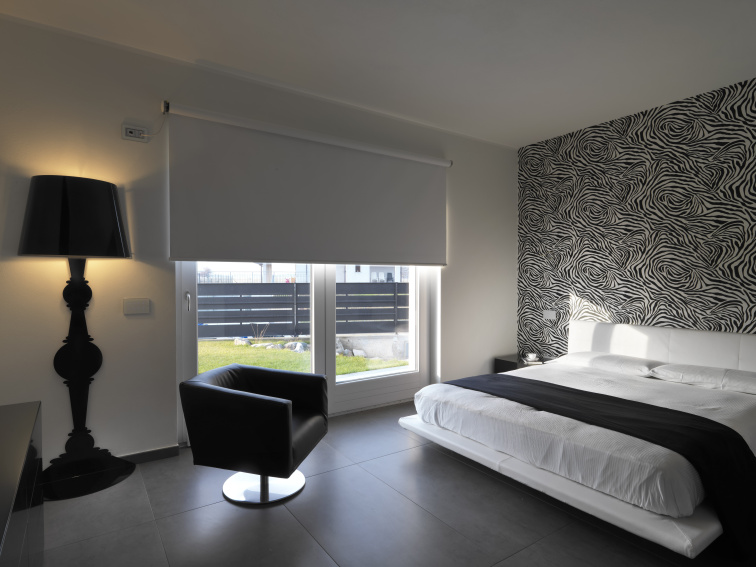
Blackout fabrics are experts in darkening and privacy. They can block most light and create a significantly darker environment in the room than any other type of fabric. This makes them the ideal choice wherever you need to have total control over the lighting.

Real possibilities of blackout fabrics:

They block most light and create a deep twilight or significant dimming of light in the room

They provide maximum privacy - from outside, there's no view inside, even with lights on

They help maintain a pleasant temperature in the room in summer (especially fabrics with a white back that reflect heat)

Absolute darkness depends on the type of installation - some light will always penetrate around the edges of the blinds in the frame

When blackout makes sense:

You sleep during the day (night shifts, babies)

You struggle with overheating in the summer

You need flexible light control (sometimes dark, sometimes light)

You live opposite street lamps or in a busy part of the city

You work with screens and are bothered by reflections

You have a home theater or TV corner

Myths vs. reality

Myth 1: Blackout = absolute darkness under all circumstances

Reality: The degree of darkening always depends on the chosen type of installation. With self-installed blinds, small gaps remain where light can penetrate. But for most people, deep twilight is absolutely sufficient.


Myth 2: Blackout fabrics are always heavy and dark
Reality: Modern blackout fabrics can have light shades and feel airy - darkening is ensured not by the color of the face but by the fabric structure. Bonus: a light surface (especially a white back) reflects heat back out in summer, giving you a more pleasant climate in the room.


Myth 3: You only need blackout in the bedroom
Reality: Blackout fabrics make sense also in the office (eliminating reflections on the monitor), in rooms with a home cinema and in children’s rooms with afternoon naps. They are also very practical with south-facing windows, where they significantly reduce room overheating in summer and decrease glare during the day.


A blackout blind is not for everyone, but if you're dealing with one of the situations above, you'll appreciate it every day. It’s an investment in comfort that you’ll feel the first night.

View blackout blinds

Common mistakes when choosing fabric

Mistake 1: Choosing only by color and design

You choose a beautiful fabric that matches the furniture, and then you find out that you can be seen inside at night or the sun burns into your eyes. Color is important, but first, solve the function. Only then choose the nicest fabric of the right type.

Mistake 2: Underestimating window orientation

North-facing windows receive only indirect, soft light all day - there, a translucent or even transparent fabric is often enough. Conversely, south and west-facing windows are exposed to intense sunlight, where blackout is more practical.

Mistake 3: Confusing the terms transparent vs. translucent

Clarify the differences: Transparent = you see through, others see you. Translucent = lets light in, but provides basic privacy. Blackout = blocks most light, maximum privacy.

Mistake 4: Not trying a sample

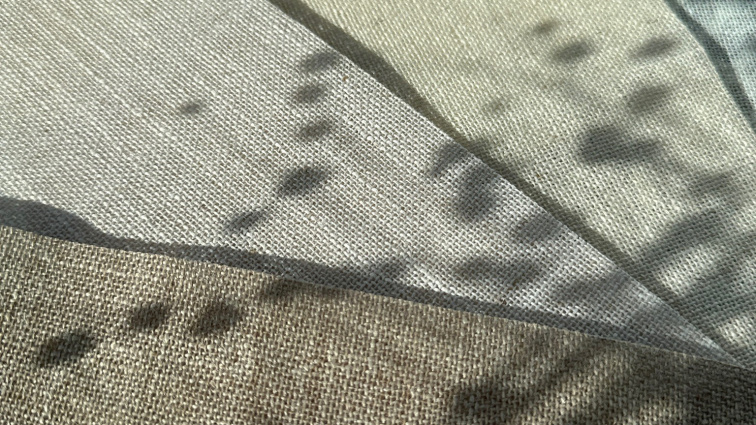
Photos are great, but the look and feel of a fabric only becomes clear in person. Hold the sample up to your window and look through it in daylight and again in the evening with the lights on. A few minutes with a sample can save you years of disappointment.

Mistake 5: Assuming blackout always means 100% darkness

A blackout fabric won’t guarantee perfect darkening if there are large gaps between the blind and the frame. The fabric is only half of the success - the other half is quality installation and also the type of installation. Spend time on measurement and mounting, it’s worth it.

Do you already know which fabric is the right one?

If you've answered the three key questions from the beginning of the article, you're halfway there. Now you just need to find the specific fabric that will work perfectly in your room and also look nice. In our collection, you’ll find several options in each category - with detailed parameters, so you know exactly what you’re getting into.

And if you want to be completely sure? Order free samples (we’ll deduct the price from your blinds purchase). Try the fabric at home with morning sun, afternoon light, and evening with the lamp on. See with your own eyes if it suits you - and only then decide. Or contact us, we’re happy to advise according to your specific situation.

View fabric collection
Order free samples
Arrange a 15-minute consultation