
Fabric roller blind maintenance: Tips, tricks, and what to definitely avoid

People often choose fabric blinds not only for their appearance but also because they are low maintenance. No taking them down, no washing, no ironing, no complicated cleaning routines - just a few minutes a month and they look as good as new. If you are looking for shading that will save you time and trouble, you are in the right place.

In this short guide, we will show you how to keep fabric blinds in perfect condition with minimal effort. You will learn how to clean them properly, what to avoid, and when it's time to consider replacing the fabric.

Why are fabric blinds so easy to maintain?

When choosing shading for your home, maintenance plays a more important role than it may seem. In this regard, fabric blinds will pleasantly surprise you:

No removing and washing - unlike curtains and drapes, which need to be regularly taken down, washed in the machine, dried, and rehung, fabric blinds always stay in place. You save hours of work annually.


No slats to clean - if you've ever cleaned blinds, you know it's a lengthy job. Every slat individually, dust in every gap. A fabric roller blind is one smooth surface - done in minutes.


Minimal care, maximum result - a regular light dusting with a cloth or vacuum once a month is really all the blinds need. No special products, no complex procedures.

Fabric blind in the bathroom

Why give blinds at least basic care?

Even though fabric blinds are low maintenance, regular care makes sense. And there are several reasons for that:

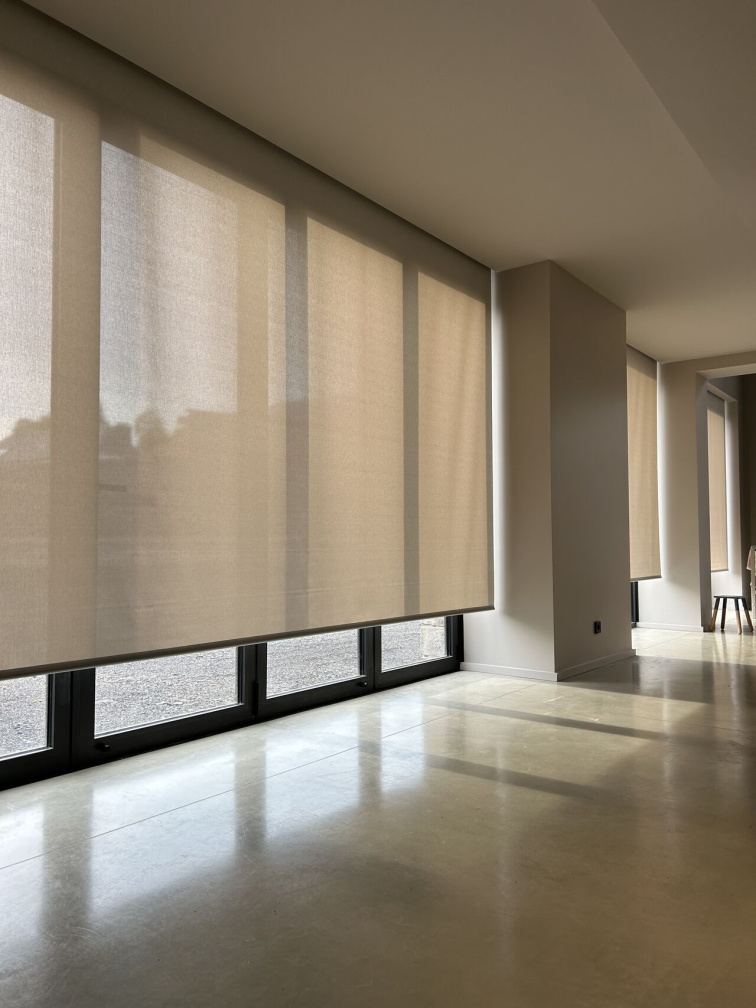
Fabric blind in the hallway

Long lifespan - fabric that is well-cared for retains its appearance and functionality for much longer. Dust and dirt gradually burden the material.


Healthier environment - dust settled on the blinds can be released into the air, which is unpleasant, especially for allergy sufferers. Clean blinds mean cleaner air.


A better-looking home - no matter what color or type of blinds you have, clean and maintained ones simply look better. They are part of your interior and deserve to look good.

Regular cleaning: A few minutes a month is enough

The basis of roller blind maintenance is regular dust removal. You can do this in two simple ways:

Dry cloth or duster - once a month (or as needed), lightly run a cloth from top to bottom. Dust will be removed, and the fabric remains clean. The whole task will literally take you a few minutes.

Vacuum with a soft attachment - if you prefer using a vacuum cleaner, set it on low power and use an upholstery attachment. Vacuum carefully to avoid damaging the fabric or pulling it into the vacuum.

And that's really all that blinds generally need. No special products, no large preparations. Dust disappears, and the blinds look great.

Tip for more delicate fabrics: If you have transparent or lighter translucent blinds with lower weight, be a bit more careful when vacuuming. These materials are more sensitive, and too strong suction could damage them.

What to do when a stain or larger dirt appears?

Sometimes it happens that something more than just dust gets on the blinds - fingerprints, raindrops, or a stain from whatever is happening in the household. You can handle this too, it just requires a slightly different approach:

Use a lightly damp cloth - the key word is "lightly." The cloth should be damp, not wet. Excess water isn't good for fabrics.


Gentle wiping without pressure - gently pass over the soiled area, don't press too hard. Most common dirt will come off with this gentle treatment. For some types of stains, you can use very gentle tools, but it's always necessary to be as cautious as possible and test the method on a less visible area first.

What if the stain won't come off?
If you can't remove the dirt with a gentle method, we do not recommend experimenting with more aggressive methods - it's better to opt for professional cleaning or consider replacing the fabric.


Fabric blind in commercial spaces

Tip: Always test the damp cloth on a less visible area of the blind first to ensure the fabric tolerates moisture well and there are no color changes.

What to avoid?

To ensure blinds maintain their appearance and functionality for years, it is important to avoid several things that could irreversibly damage the fabric:

⚠️ Fabric blinds don't belong in the washing machine or dryer - washing destroys the special fabric treatment, alters its dimensions, and probably its properties. Blinds simply aren't designed to be washed.

⚠️ Don't iron them or use steam - high temperatures can damage, deform, or change the properties of the fabric.

⚠️ Avoid aggressive cleaning agents - bleach, solvents, or strong chemicals can discolor or weaken the fabric's structure.

⚠️ Don't press too hard when cleaning - the fabric is durable, but unnecessary pressure can damage the fibers or the special surface treatment.

The fabric of fabric blinds is specially treated for its use - combining design, functionality, and durability. Any aggressive maintenance could irreversibly destroy these properties. So the rule is: less is more.

When is it time to replace the fabric?

Even with proper care, every fabric has its lifespan. Consider replacing the fabric if:

The fabric has noticeably faded or changed color - this usually occurs after a very long time of use, especially with blinds on south-facing windows exposed to intense sunlight. Quality fabrics have UV resistance and colorfastness set in their technical specifications, so color changes typically occur only after years.

There are permanent stains - that cannot be removed with gentle cleaning.

Visible mechanical damage - tears, frayed edges, or other wear signs.

The fabric has lost its shape - it's wrinkled, holds folds, or doesn't roll up evenly.

You want to change the interior design - a new color or fabric pattern can significantly refresh the entire space and adapt it to a new style of your home.


Replacing the fabric is simple and significantly cheaper than acquiring new blinds. Plus, you can take the opportunity to try a different color or type of fabric according to your current needs.

Conclusion: Care that pays off

Maintenance of fabric blinds is really simple. Regular light cleaning with a dry cloth or vacuum and gentle handling is more than enough for blinds to bring you joy for many years. If you are looking for shading that doesn't burden you with maintenance, fabric blinds are an excellent choice - modern design, functionality, and minimal worries in one.

FAQ: Frequently Asked Questions about Fabric blind maintenance

Can I wash fabric blinds?

No, washing would damage the special fabric treatment and change its dimensions. For regular cleaning, a dry cloth or vacuum is enough, and for stains, use a lightly damp cloth.

What to do if an oily stain gets on the blind?

Try to gently remove it with a lightly damp cloth and soapy water. Don't press too hard or rub the fabric. If the stain doesn't disappear, don't use aggressive cleaning agents - they could damage the fabric. In such a case, consider professional cleaning or fabric replacement.

Does maintenance differ according to the type of fabric (transparent, translucent, blackout)?

The basic approach to care is the same for all fabrics - regular cleaning with a dry cloth or soft brush vacuum cleaner. The main differences are in the durability of individual materials. Blackout fabrics may have different surface treatments and coatings, which sometimes makes them more susceptible to damage, so we recommend careful handling for them. On the contrary, screen fabrics are among the most durable - they can handle even gentle wiping with a damp cloth. In case of doubt, always follow the manufacturer’s instructions for the specific type of fabric.