How to choose the right fabric for roller blinds: A practical guide to function and design
Choosing the right fabric for fabric roller blinds determines whether your home becomes an oasis of peace and comfort or a source of daily compromises. A quality fabric not only beautifully complements the interior but also affects the quality of your sleep, the energy demand of heating, and the overall comfort of living.

You might think that all fabrics for roller blinds are basically the same - just differing in color and pattern. The opposite is true. Differences in light transmittance, fabric weight, special treatments, and other properties can mean the difference between blinds that perfectly meet your expectations and those you will want to replace as soon as possible. In this guide, we will show you how to navigate the wide range of fabrics and choose the one that precisely meets your requirements.


Basic fabric types according to light transmittance

The most important criterion when choosing a fabric is deciding how much light you want to let into the room. According to this property, we divide fabrics into three basic categories.

Transparent fabrics: Light and airiness first

Transparent fabrics are intended for those who want to retain as much natural light and connection with the outdoor environment as possible. These materials let most daylight through and allow an unobstructed view out - while not obstructing the view from outside in. Thanks to them, your space will gain a sense of airiness and openness, which is ideal for modern minimalist interiors.

Transparent fabrics are best suited to spaces where privacy from outside is not a priority - for example, living rooms overlooking a garden, or home offices where you need maximum natural light to work.
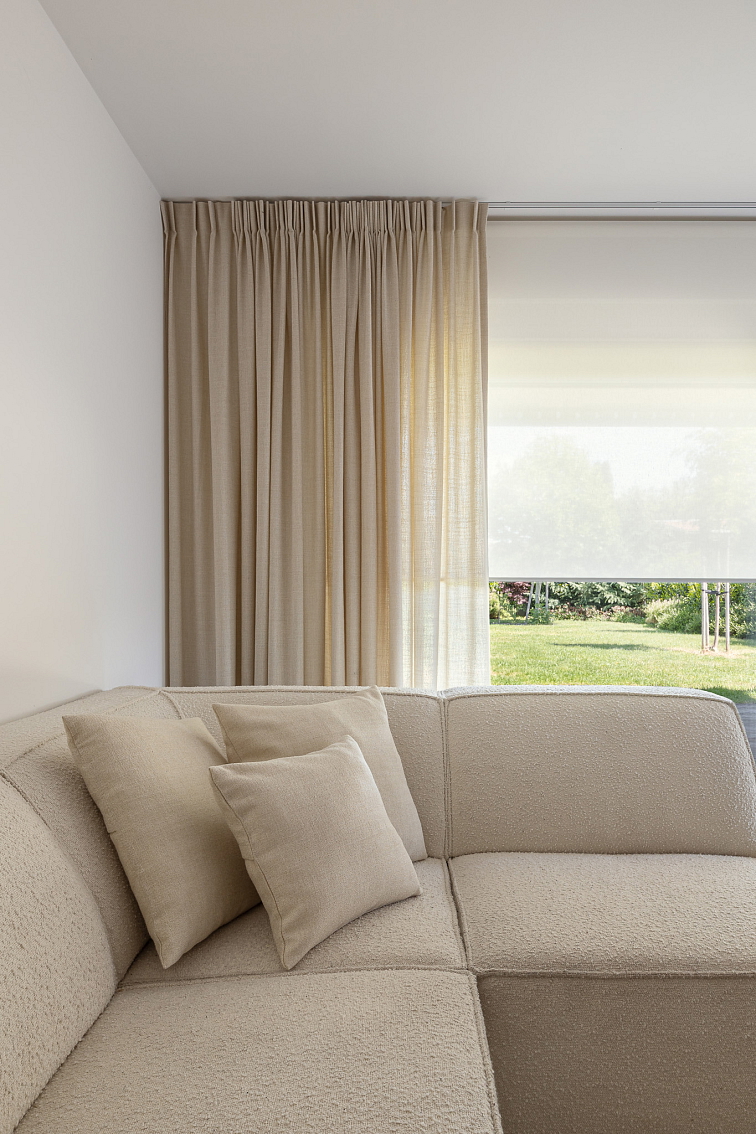
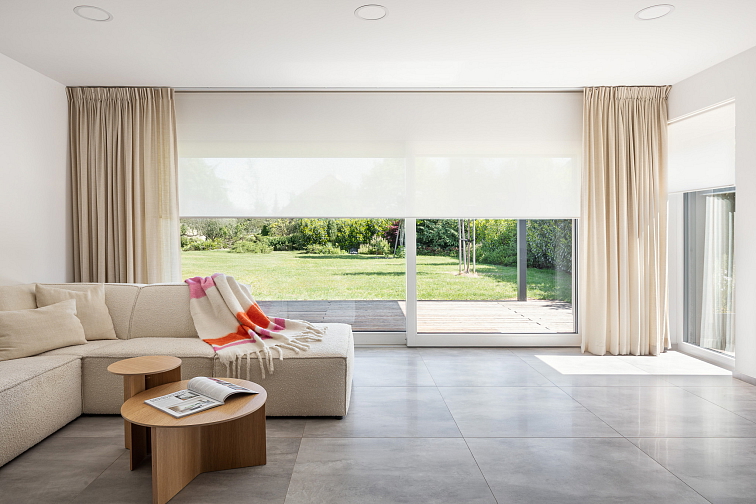
Fabric roller blind and curtains in the living room
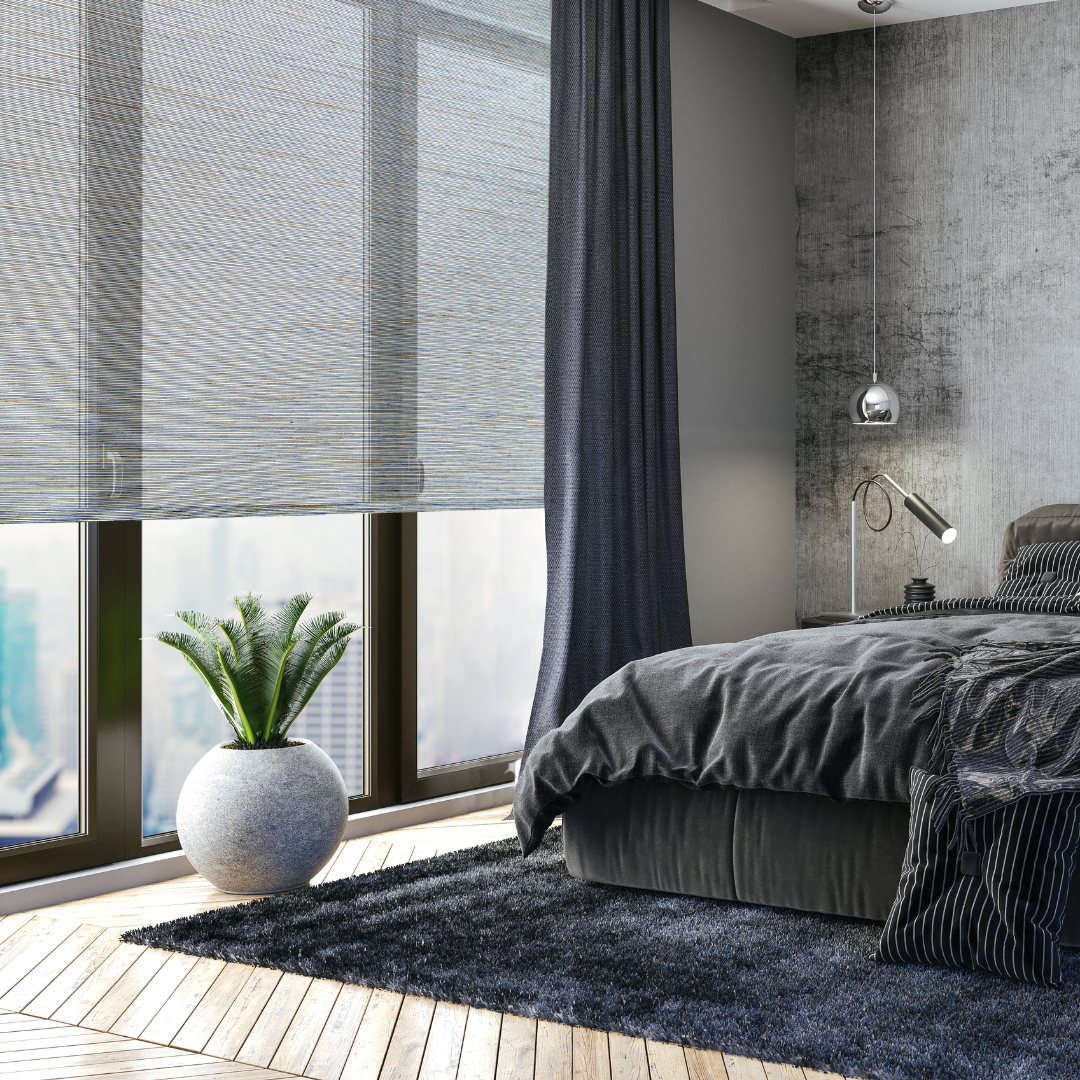
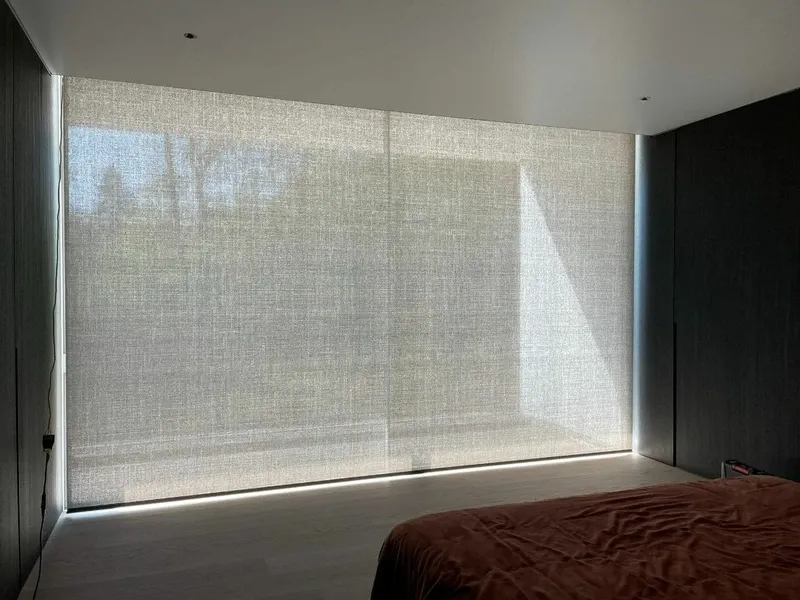
Transparent fabric roller blind in bedroom

Translucent fabrics: Perfect balance of light and privacy

Translucent fabrics represent the most popular compromise between light and privacy. They gently filter intense sunlight, create a pleasant diffused lighting, and simultaneously provide basic protection against outside views. They still allow a partial view outside, so you won't lose contact with the outdoor world.

This type of fabric is ideal for most living spaces where you need to balance various demands. In the dining room, they create a pleasant atmosphere for shared moments, in the kitchen, they provide enough light for cooking while protecting against excessive sun, and in children's rooms, they ensure a safe environment with controlled lighting. You can view our collection of designer fabrics here.


View fabric collection

Blackout fabrics: The king of privacy and light control

For those who value absolute privacy and perfect control over lighting, blackout fabrics are the right solution. These special materials are designed to minimize or completely block the penetration of light into the room.

Blackout fabrics are ideal for bedrooms where quality sleep is a priority, but also for any spaces requiring flexible control over lighting. When the room light is on, it is not visible inside, and during the day you can regulate the amount of sunlight penetrating as needed.

Blackout fabrics are also appreciated in the summer months as they help maintain a pleasant temperature in the room and reduce cooling costs. For even better protection against overheating, choose blackout fabrics with a white exterior side that reflects solar radiation back out.

Key properties and parameters of fabrics

Light transmittance and open factor

Open factor is a numerical expression of the percentage of light that the fabric lets into the room. The higher the value, the more light passes through and the less shading there is. For practical orientation: fabrics with a light transmittance of 20 % and more serve more for the aesthetic element of the interior and provide a light shading function. Transmittance of 5-20 % represents a balanced solution with partial privacy. Fabrics with a transmittance of 0-5 % ensure real dimming and maximum privacy.

Weight and material structure

Weight indicates the weight of the fabric in grams per square meter and directly affects the strength, longevity, and insulating properties of the material. Fabrics with higher weight are generally more resistant to wear, provide better thermal insulation, and have a longer lifespan. Densely woven materials with higher weight also better absorb sound, which can be an advantage in noisier environments.

Absorption and reflection of light

Absorption indicates the percentage of light that the fabric absorbs and converts into heat. High absorption can contribute to room overheating in summer. Conversely, reflection indicates the percentage of light that is reflected back out by the fabric.
 
Fabrics with high reflection, especially those with a white exterior side, help keep the room cool and reduce energy costs for cooling. Consider fabrics with high reflection for south-facing windows.

Special treatments and additional properties

Flame resistance: Safety first

Flame-resistant fabrics have undergone a special treatment that significantly reduces their flammability and rate of flame spread. These materials are essential in commercial spaces and make a great choice for households with young children. Flame-resistant treatment does not affect the appearance or functionality of the fabric but provides an additional layer of safety for your home.

Acoustic properties: Silence as a bonus

Blackout fabrics with higher weight and dense structure function as an effective sound barrier. They absorb noise coming from outside and simultaneously eliminate echo in the room by preventing sound reflection from window surfaces. This feature is especially applicable in apartments in busy urban areas, in spacious rooms with high ceilings, or in home offices where concentration is important.

Antimicrobial protection for a healthy environment

Fabrics with an antimicrobial surface treatment contain active ingredients such as silver or zinc, which continuously prevent the growth of microorganisms on the material's surface. Zinc provides excellent protection against molds, fungi, and yeasts, while silver effectively eliminates bacteria. These fabrics are ideal for humid areas such as bathrooms and kitchens, children's rooms, or spaces with pets, where hygiene is important.

Conclusion: Investing in the quality of everyday life

Choosing the right fabric for fabric roller blinds is not just a matter of aesthetics - it is a decision that affects your everyday comfort, quality of rest, and energy demand of your home. A quality fabric with matching properties represents a long-term investment that will pay off in the form of satisfaction with living.

When deciding, always consider the primary purpose of the room, the requirements for the amount of light and privacy, specific conditions such as humidity or noise, and last but not least, your aesthetic preferences. Remember, the most expensive fabric does not necessarily have to be the best for your specific needs - the important thing is to find the perfect balance between function, quality, and design.

The right fabric choice will turn your fabric roller blinds into a harmonious interior element that will reliably fulfill its function for many years. Whether you choose transparent fabrics for maximum light, translucent for balance, or blackout for perfect dimming - investing in quality always pays off.